

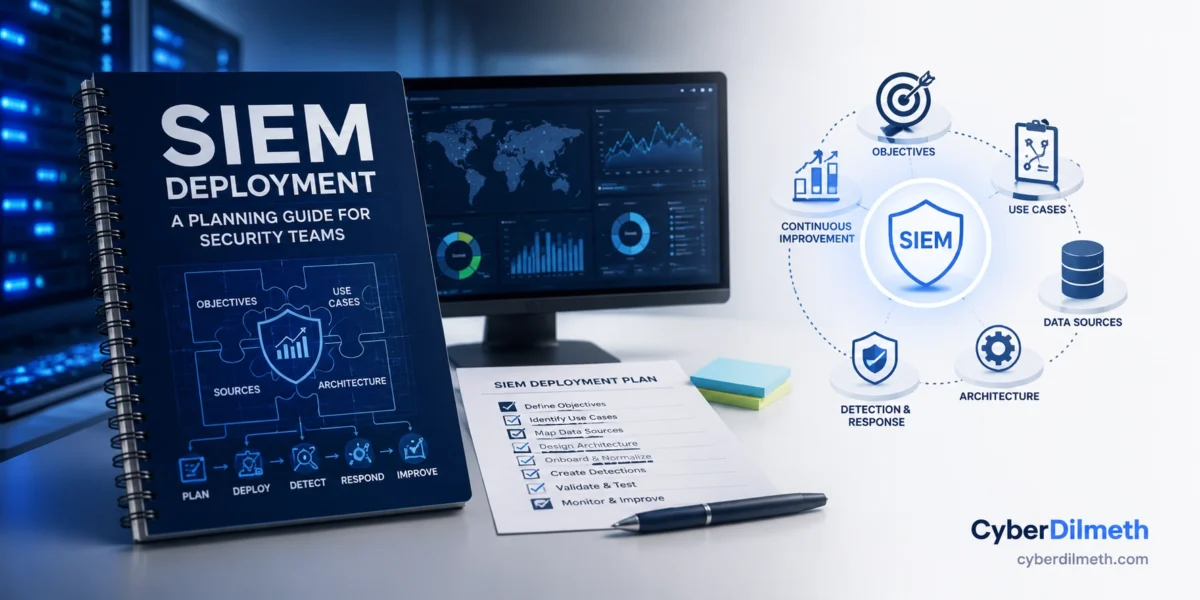
Key takeaways A security information and event management (SIEM) platform is a detection and investigation capability, not a product you install. Most failed deployments failed at planning, not at procurement. Start from detection questions you want answered, not from the list of log sources you could connect. Coverage is measured in answered questions, not gigabytes […]
Read More
Key takeaways “Endpoint” is industry shorthand for a device someone actually uses: a phone, a laptop, a tablet, a desktop. Attacks on personal devices now mostly aim to quietly copy what is already signed in, not to break anything you would notice. Most of the protection you need is already built into your device and […]
Read More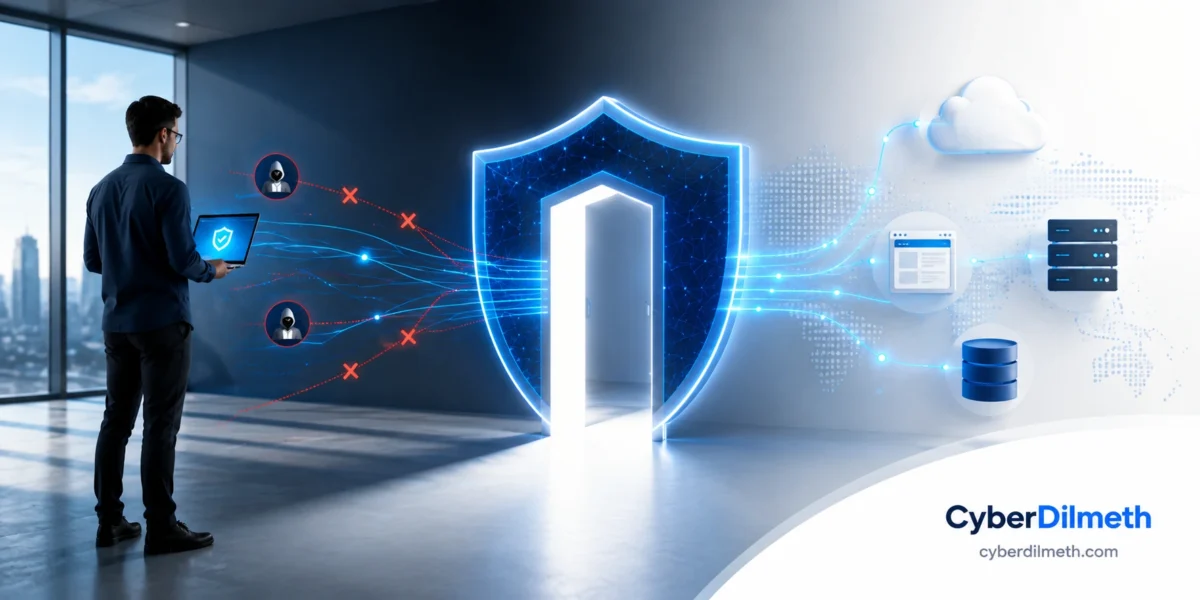
Key takeaways Zero trust is an architecture and a set of principles, not a product. NIST is explicit that no single component delivers it. The central shift is away from deciding trust by network location and towards deciding it per request, per resource, against current signals. Zero trust network access replaces the network-level tunnel with […]
Read More
Key takeaways Your router is the one device every other device on your network depends on, and it is usually the one nobody has touched since it was installed. The two changes that matter most are the router’s own admin password and keeping its software updated. Both take about three minutes. If your router is […]
Read More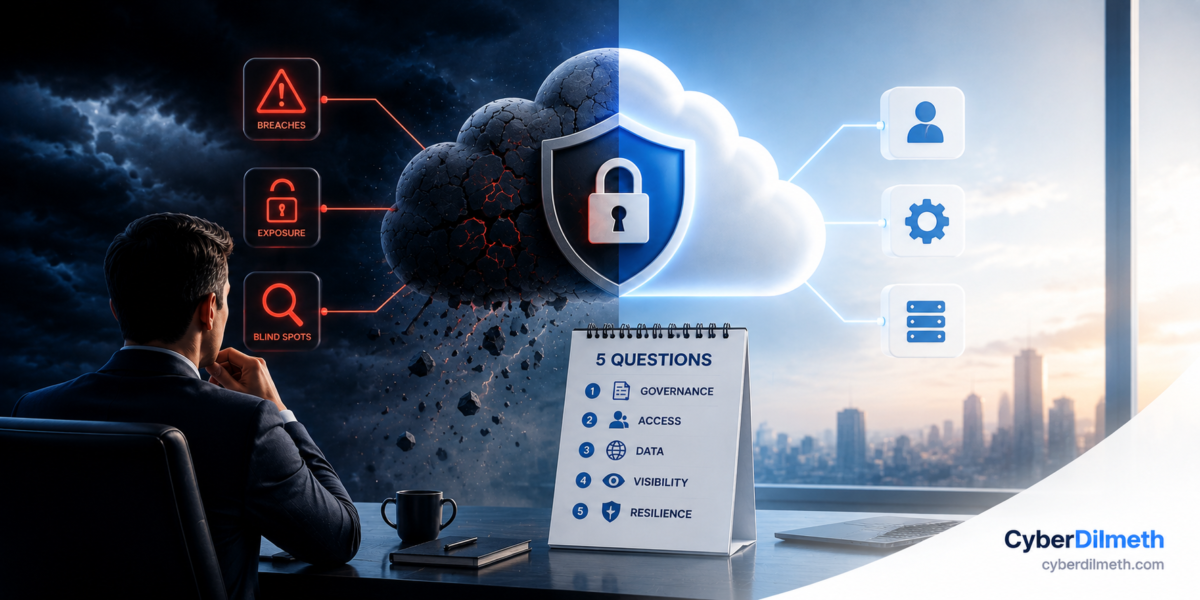
Key takeaways Moving to the cloud transfers some responsibilities to your provider and none of the ones that cause most breaches. Your data, your access rights, your configuration and your monitoring stay yours at every service level. IBM puts the global average cost of a breach at US$4.99 million in 2026, a record and a […]
Read More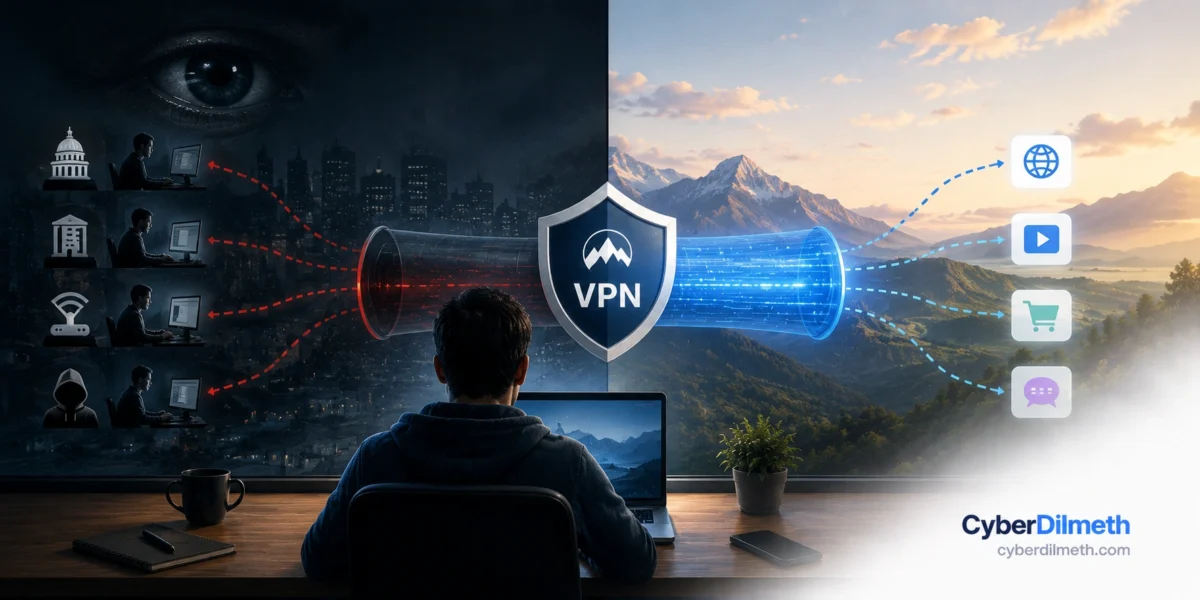
Key takeaways A VPN does not make you invisible. It moves who is able to watch your browsing from your internet provider to a VPN company. The classic reason to buy one, protecting yourself on cafe Wi-Fi, has largely been solved by your browser. Almost all web traffic is now encrypted by default. Google is […]
Read More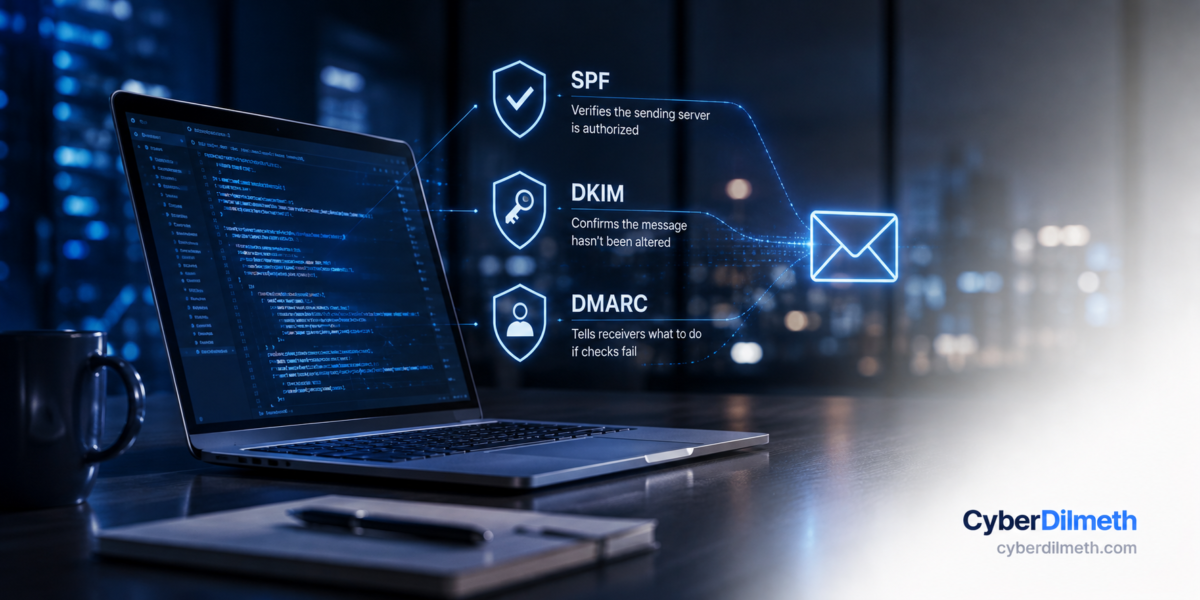
Key takeaways SPF and DKIM each validate a domain, but neither looks at the address your recipient actually sees. DMARC exists to connect them to that address, and that connection is called alignment. The DMARC specification was rewritten in May 2026. RFC 9989 replaces RFC 7489, and DMARC is now an IETF Standards Track protocol […]
Read More
Key takeaways The ransom is the smaller number. Recovery now costs an average of US$1.7 million per incident before any ransom is counted, and that figure rose 11 percent in a year even as ransom demands fell. The entry point has moved. For the first time in four years, exploited vulnerabilities are not the leading […]
Read More
Key takeaways A CVE record is an identifier and a description. It is not, on its own, a judgement about how urgent the vulnerability is for you. CVSS answers how bad exploitation would be, EPSS answers how likely exploitation is in the next 30 days, and CISA’s KEV catalog answers whether exploitation has actually been […]
Read More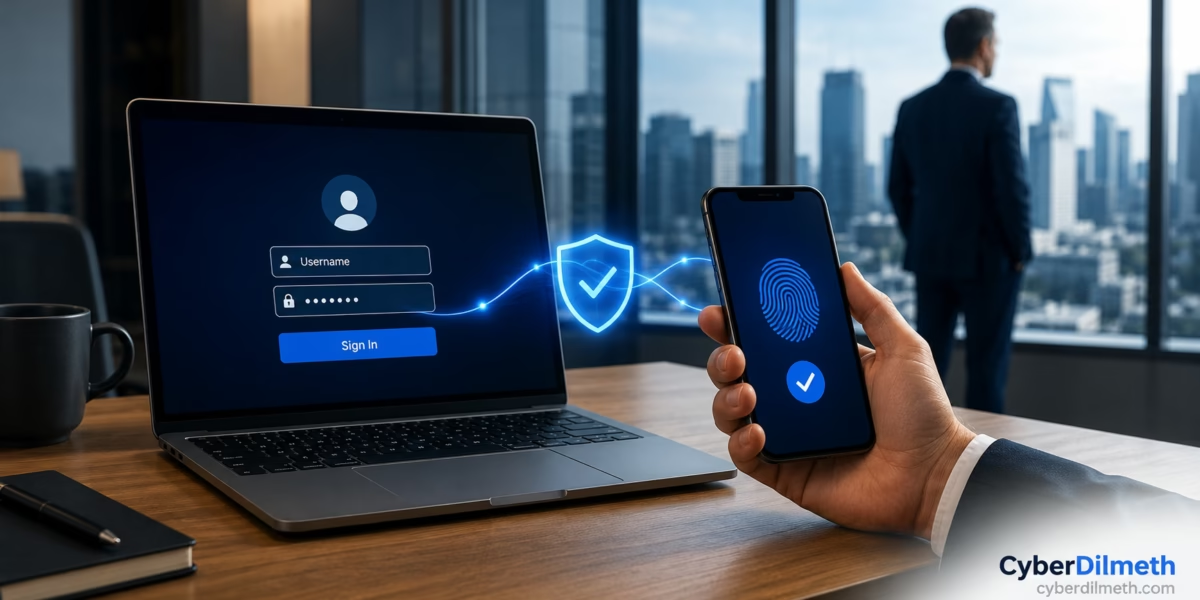
Key takeaways MFA is the single highest-value security control most businesses can deploy, and it is usually low-cost or free. Microsoft reports it blocks more than 99% of automated account-compromise attacks, the kind that make up the vast majority of what hits your business daily. Not all MFA is equal. SMS codes are the weakest […]
Read More